 Snorkeling Zanzibar
Best Time to Snorkel in Zanzibar: Month-by-Month Guide
The best time to snorkel in Zanzibar is June to October and December to February, when the sea sits calm enough for a full day on the water and visibility often reaches 20 to 30 metres. April and May are the long rains, November the short rains, and both bring rough seas, murky water and a real chance of a cancelled trip. Those four sentences answer the search, but a booked date rarely lines up with the ideal window on the nose, so the rest of this guide breaks the calendar down month by month, names the actual crowd pattern, and explains what happens if a booked morning turns out to be a wet one.
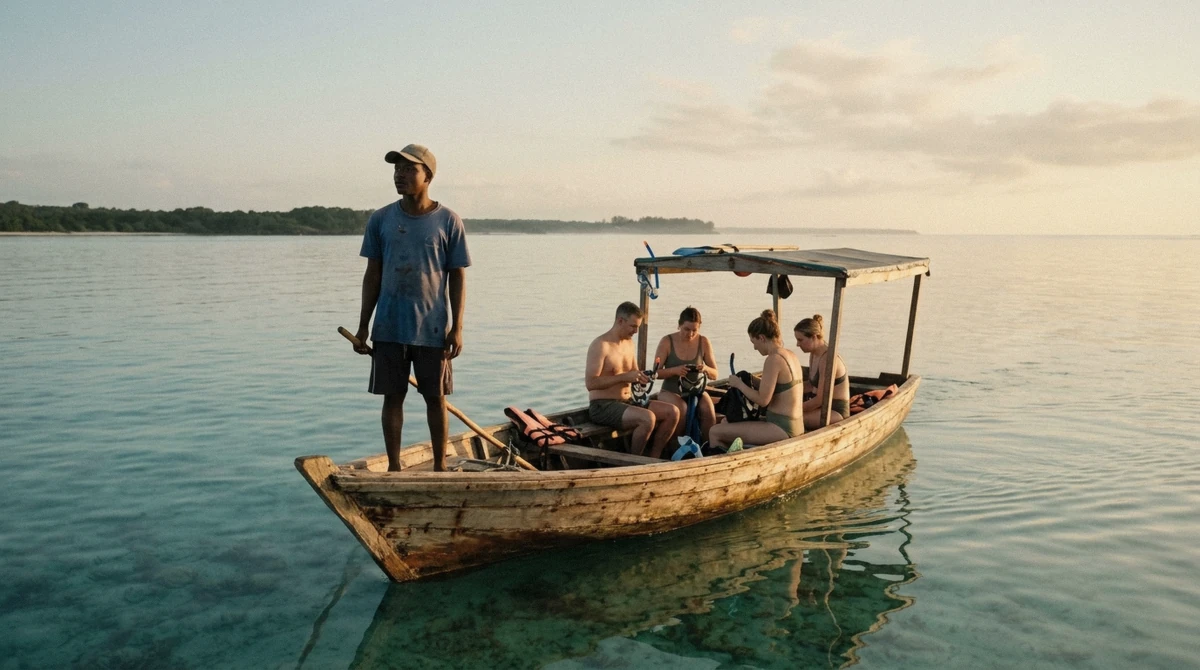
Quick answer
June to October and December to February are the best time to snorkel in Zanzibar: calmer seas, visibility that often reaches 20 to 30 metres, and the lowest chance of a weather cancellation. April and May, the long rains, are the window to avoid outright; November's short rains run a close second. Sea temperature depends on which source is asked, and both figures are worth knowing before a trip.
Key takeaways
- The two reliable windows are June to October and December to February, both with visibility often reaching 20 to 30 metres
- April and May are the long rains and November the short rains; expect rough seas and a real chance a boat trip gets cancelled
- Operator listings quote 25 to 29°C sea temperature year round; an independent survey records 22 to 24°C from July to September, so a rash guard earns its place in that window
- Humpback whales pass close to the coast from July to November, a reason some travellers pick the later half of the good season on purpose
- Boats leave the north coast from about 07:30, and the water around Mnemba fills through the morning: an early departure like the Kendwa Mnemba trip beats most of the crowd
- Every tour on this site is compared by reef, price and fee stack on Zanzibar snorkeling tours and their reefs, not just by season
The Two Good Windows and the Two Bad Ones
Zanzibar's calendar splits cleanly into two dry stretches worth building a trip around and two wet stretches worth avoiding if the dates allow it.
June to October: the long dry season
This is the steadier of the two good windows and the one most operators lean on. Rainfall drops sharply after the long rains end in May, the sea flattens, and visibility around Mnemba and Tumbatu often runs 20 to 30 metres. It also overlaps with the July to November stretch when humpback whales pass close to the coast, so a snorkeling day in August or September sometimes turns into a whale sighting from the boat on the crossing out.
December to February: warm, sunny, shorter
The second good window is warmer and sunnier than the mid-year stretch, with the same general calm-sea pattern, though it runs into the December holiday crowd on the busiest departures. Rainfall creeps back up toward the end of the window (see the table below), so early December and January tend to be the more reliable half of it than late February.
April and May: the long rains, avoid if possible
This is the one stretch worth actively planning around. Rain totals peak in April, seas turn rough, visibility drops, and operators cancel trips on the worst days. Anyone with fixed dates that fall in this window should read the cancellation section below before assuming a booked morning will run as planned.
November: the short rains, a lesser version of the same problem
November's short rains are less severe than April and May but carry the same basic risk: rougher water, reduced visibility, and a higher chance a trip gets rescheduled. It sits right at the tail end of the humpback whale season, which is the one thing that pulls some travellers toward it anyway.
Where the whale-watching window sits inside the good months
Humpback whales pass close to the coast from July through November, which means the tail half of the June to October window and the start of the short rains overlap the same weeks. A traveller who wants both a calm snorkeling day and a chance of a whale sighting from the boat on the crossing out is best served by July, August or September, before the season shifts into the riskier November stretch.
Month by Month
Rainfall figures below are typical monthly totals used for planning, not a forecast for any specific date; check the forecast close to the travel dates regardless of season. Sea temperature is printed both ways because operator listings and an independent survey do not agree.
The full year, side by side
Read the Visibility and Crowds columns together: the two good windows carry the best visibility, and December through February also carries the heaviest crowds, since it overlaps the holiday season.
| Month | Typical rain | Sea temperature | Visibility | Crowds |
|---|---|---|---|---|
| January | 70 mm | 25-29°C (operator range) | Good, 20-30 m typical | High, holiday season |
| February | 60 mm | 25-29°C (operator range) | Good, 20-30 m typical | Moderate to high |
| March | 130 mm | 25-29°C (operator range) | Declining as rain builds | Moderate |
| April | 350 mm | 25-29°C (operator range) | Poor, rough seas | Low, trips get cancelled |
| May | 240 mm | 25-29°C (operator range) | Poor, rough seas | Low |
| June | 50 mm | 25-29°C (operator range) | Good, improving | Moderate |
| July | 40 mm | 25-29°C operator / 22-24°C survey | Good, 20-30 m typical | High, peak season |
| August | 35 mm, driest month | 25-29°C operator / 22-24°C survey | Good, 20-30 m typical | High, peak season |
| September | 40 mm | 25-29°C operator / 22-24°C survey | Good, 20-30 m typical | Moderate to high |
| October | 90 mm | 25-29°C (operator range) | Good, still reliable | Moderate |
| November | 180 mm | 25-29°C (operator range) | Reduced, short rains | Low |
| December | 140 mm | 25-29°C (operator range) | Good, 20-30 m typical | High, holiday season |
August is the driest month on this table at a typical 35 mm, and April is the wettest by a wide margin at a typical 350 mm. Sea temperature is the one figure worth double-checking before packing: operator listings quote a flat 25 to 29°C across the whole year, while an independent survey records 22 to 24°C specifically from July to September. A rash guard is a reasonable hedge for anyone snorkeling in that three-month window, whichever number turns out to be closer to the truth on the day.
Time of Day: the Crowd Clock
Season decides whether the water is calm. Time of day decides whether it is crowded.
Boats leave from about 07:30
Departures from the north coast start from around 07:30, and the water around Mnemba Atoll fills steadily through the morning as more boats arrive from Nungwi, Kendwa and Matemwe. By mid-morning the Mnemba dolphin area can hold dozens of hulls at once, which changes both the crowding around the reef and, on the dolphin-focused trips, how the animals themselves respond to the traffic. Weekends and public holidays roughly double the usual boat count, on top of whatever the season is already doing.
What an early booking buys
The trips that leave earliest have the calmest window before the crowd arrives. The Kendwa Mnemba trip picks up from Kendwa and Nungwi from 08:00 and returns by around 12:30, which puts most of its water time ahead of the mid-morning peak. The Mnemba half day from Muyuni runs the shortest crossing on the catalog at 20 minutes, another way to spend less of the morning in transit and more of it in the water before the boats stack up.
A private boat sidesteps the clock entirely, since it can leave whenever the traveller wants rather than on a fixed shared-departure schedule, at the cost of a higher price than the shared trips.
Tides, Sandbanks and What Disappears
Tide matters as much as season on several of these routes, and it is a separate axis worth checking against a booked date.
The short version
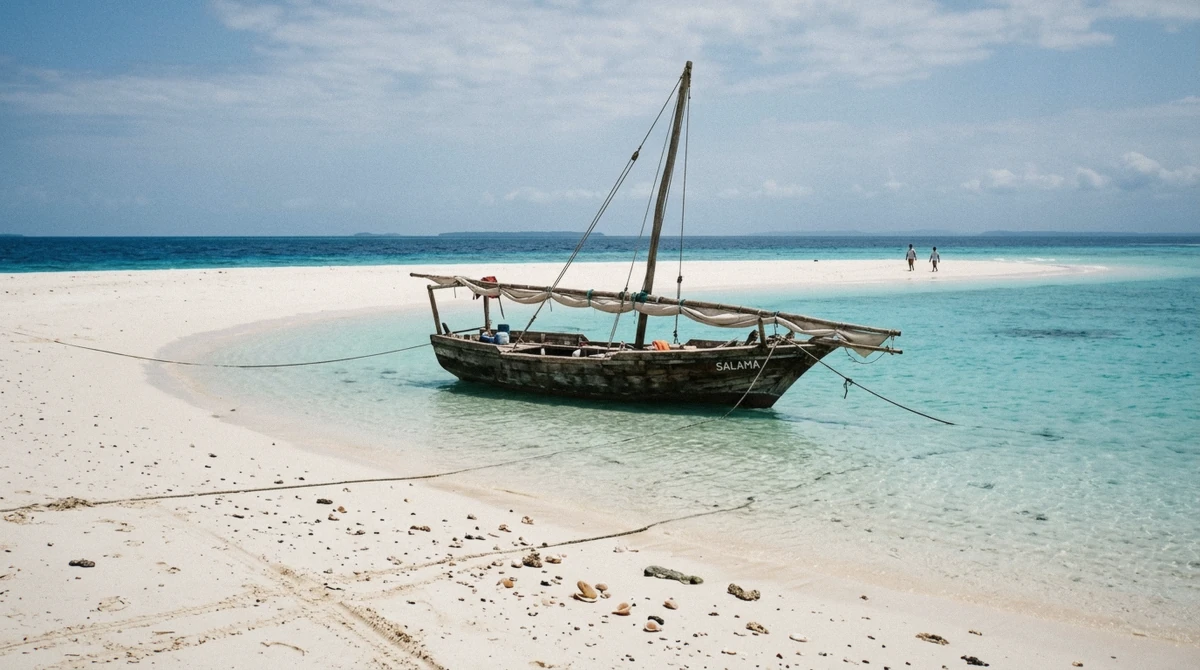
The east coast empties hundreds of metres at low water and the Blue Lagoon is unsnorkelable outside high tide, while the north and north-west coast around Nungwi and Kendwa stay deep enough to swim most of the day regardless of tide. Sandbanks including Nakupenda and the Mnemba disappearing sandbank exist only around low water, which is exactly when the beach routes stop working. The full tide table and which beach snorkel spots actually hold water sits on Zanzibar snorkeling from the beach; this page only needs the one fact that ties tide back to season, which is that a good-visibility month can still have a bad hour if the tide is wrong for the specific route booked.
The Kendwa Mnemba trip works around this by substituting Muyuni or Jomba beach when high tide rules out its usual stop, a small operational detail that only matters if the booked date happens to land on the wrong tide for the original plan.
What the Weather Cancels, and What Happens Then
April, May and November are the months where a booking is genuinely at risk of being changed on short notice, not just less scenic than the dry-season photos.
What actually triggers a cancellation
Light rain on its own rarely stops a boat: the operators on this catalog run through drizzle and overcast skies without issue, since the snorkeling itself happens underwater regardless of what the sky is doing. What actually cancels a trip is sea state: wind-driven swell too rough for a small dhow or speedboat to cross safely, which is exactly the condition the long and short rains bring on their worst days. That is a wind and swell problem more than a rain problem, which is why a cloudy but calm morning in the good season is usually fine to book, and why a sunny-looking forecast in April is not, on its own, a reason to assume the water will cooperate.
Why the crossing distance matters on a marginal day
Not every trip carries the same weather risk. A short, sheltered crossing, like the 20-minute run from Muyuni to Mnemba on the half-day trip, can sometimes still run on a day when a longer, more exposed crossing gets called off. The 7-hour Safari Blue itinerary, by contrast, spends more total time on open water across its dhow and lagoon legs, so it has more opportunity for conditions to turn during the day even if the morning starts calm.
Neither pattern is guaranteed; it is simply why two operators can make different calls on the same borderline morning.
What to expect if a trip does get cancelled
Cancellation and rebooking terms are set by each operator and confirmed at checkout, not by this site, so the honest answer is to read the specific listing's policy before paying rather than assume every operator handles it the same way. Travellers booking April, May or November dates get more value out of leaving a spare morning free than out of any particular booking trick, since a rescheduled trip needs somewhere to move to. A multi-day stay on the north coast makes that spare morning easy to find; a single day trip up from Stone Town does not, which is worth weighing before locking in a wet-season date with no flexibility either side of it.
When to Book Each Tour
The six trips compared on the homepage do not all respond to season and tide the same way. The table below matches each one to its best booking window.
Tour by tour
Two patterns repeat across the table: the shared-boat trips reward an early departure inside the good season, and the tide-dependent sandbank trips need a low-water check on top of the seasonal one.
| Tour | Best window to book | Why |
|---|---|---|
| Mnemba Boat Trip and Dolphin Snorkel from Kendwa | June-October or December-February, earliest slot | Conservation fees are already included and the 08:00 pickup runs ahead of the mid-morning crowd |
| Safari Blue Lagoon Day Trip | Any month outside April, May and November | The 7-hour dhow itinerary to Kwale needs calm seas across a full day, not just a calm hour |
| Private Mnemba Dolphin Safari | Peak season, when shared boats crowd Mnemba | A private boat sets its own timing regardless of how many other hulls are on the water that morning |
| Dolphin and Tumbatu Island Snorkeling | June-October or December-February | Max 8 participants and a quieter reef mean the trip is less dependent on beating a crowd, but still benefits from the better visibility months |
| Prison Island and Nakupenda Sandbank Tour | A good-weather month, checked against low tide | The Nakupenda sandbank only exists near low water; the season decides the seas, the tide decides the sandbank |
| Mnemba Dolphin Swim and Snorkel Half Day | June-October or December-February, early departure | The shortest 20-minute crossing on the catalog, from Muyuni, with the least exposure to a rough-sea cancellation |
So, When Should You Go?
June to October and December to February remain the two windows worth building a trip around, with August and September the strongest single pick if a whale sighting matters and December and January the strongest pick for warmer, sunnier days at the cost of busier boats. Anyone on a tighter budget who can tolerate a slightly higher chance of a choppy morning has some room to push into early June or late October, both cheaper and quieter than the core of the season. April and May stay the one stretch worth avoiding outright if the dates are still flexible.
Travellers locked into fixed dates inside the rainy months are better served by reading the cancellation section above than by hoping the forecast is wrong.
Best Time to Snorkel in Zanzibar: Questions Travellers Ask
What month is best for snorkeling in Zanzibar?
August and September typically combine the driest weather with the best visibility inside the June to October window. December and January are the strongest picks in the second good window, before rainfall creeps back up toward late February.
What is the worst time to snorkel in Zanzibar?
April, the peak of the long rains, with a typical 350 mm of rainfall and the highest chance of a cancelled trip. November's short rains are a lesser version of the same problem.
How warm is the sea in Zanzibar?
Operator listings quote 25 to 29°C year round. An independent survey records cooler water, 22 to 24°C, specifically from July to September. Both figures are worth knowing; a rash guard is a reasonable hedge in that three-month window.
What time of day is best for Mnemba?
As early as the tour allows. Boats leave the north coast from about 07:30, and the Mnemba dolphin area can hold dozens of boats by mid-morning, with weekends and holidays roughly doubling the usual traffic.
Do snorkeling trips get cancelled in Zanzibar?
Yes, on the roughest days of April, May and November, when wind-driven swell makes the crossing unsafe for a small boat. Light rain alone rarely stops a trip; sea state is what actually cancels one. Cancellation and rebooking terms are set by the operator and confirmed at checkout.
Is December a good month to snorkel in Zanzibar despite the rain totals?
Yes, especially the first half. December sits inside the second good window with a typical 140 mm of rain, well below the April peak, though it also carries the busiest holiday crowds of the two good windows.
Whichever window fits the trip, compare all six snorkeling trips by reef, price and what is included before booking.